Tonka Beans Typeface: A Handwritten Touch for Handmade Brands
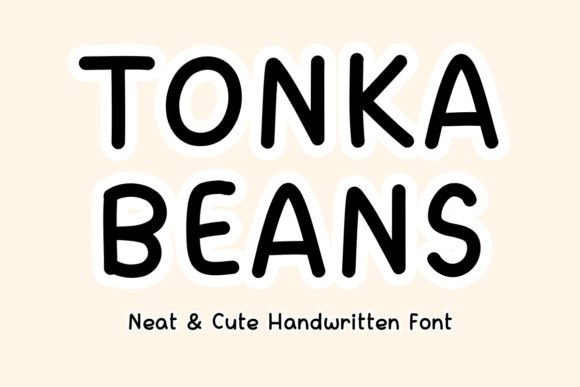
I was staring at a blank canvas on my screen, trying to design the final label for my new line of soy wax candles. The jar was simple, clear glass with a minimalist gold lid. I had the ingredients list ready in a clean sans serif font, but the brand name needed something more. It needed warmth. It needed to feel like it was written by hand, not typed by a machine. That’s when I pulled up Tonka Beans. As soon as I typed out the word “Candle,” the letters seemed to lean into each other with that neat, cute style that instantly made the product feel inviting and personal. It wasn’t just text; it was a vibe. If you are a crafter, handmade seller, or printable creator looking to add a delightful handwritten touch to your projects, Tonka Beans is likely the missing piece in your design toolkit.
Why This Script Font Fits Your Creative Workflow
Tonka Beans isn’t just another generic script font. It belongs to the Script Amp category, which often implies a blend of structure and flow. Visually, it carries a charm that feels both modern and nostalgic. The strokes are consistent enough to be legible but varied enough to feel organic. When I first tested it on a digital planner page, the way the letters connected felt natural, like someone jotting down a quick note in their favorite notebook. This makes it perfect for invitations, cards, branding, note-taking, and all things adorable.
For makers, the appeal of a font like Tonka Beans lies in its versatility. It bridges the gap between strict professionalism and whimsical craftiness. It’s not so loose that it becomes unreadable, nor so rigid that it loses its personality. This balance is crucial when you are designing shop materials that need to communicate quality while still feeling accessible and fun. Whether you are creating SVG files for Cricut or Silhouette users or designing high-resolution PDFs for Etsy printables, Tonka Beans offers a distinct visual identity that stands out in a crowded marketplace.
Real-World Applications for Makers and Sellers
One of the best ways to see the power of this typeface is to imagine it applied to actual products. Let’s look at how Tonka Beans can transform different items in your shop.
- Candle and Soap Labels: Imagine wrapping a round sticker around a mason jar candle. Using Tonka Beans for the scent name, such as “Vanilla Bean” or “Lavender Fields,” gives the product an artisanal feel. It suggests that the item was crafted with care, enhancing the perceived value before the customer even smells the fragrance.
- Greeting Cards and Invitations: For wedding stationery or birthday invites, Tonka Beans works beautifully for headers. You might use it for the names of the couple or the age being celebrated. Its neat style ensures that the details remain readable while the overall aesthetic remains celebratory and sweet.
- Boutique Tags and Packaging: When you send an order out, the unboxing experience matters. Printing “Thank You” or “Made with Love” on kraft paper tags using Tonka Beans adds a cohesive brand element. It ties the physical product back to your digital branding, creating a memorable customer experience.
- Seasonal Decor and Signs: Think about farmhouse signs or holiday decorations. Tonka Beans is excellent for short phrases like “Welcome Home” or “Happy Holidays.” Because it has a display quality, it reads well from a distance on wall art or wooden signs, provided the size is appropriate.
- Digital Planners and Printables: For those selling digital downloads, Tonka Beans is ideal for section dividers, daily headers, or motivational quotes within a planner. It adds a pop of personality without overwhelming the functional layout of the pages.
Designing for Readability and Impact
While Tonka Beans is charming, there are practical considerations when using it for commercial products. One of the most important aspects of typography is readability, especially when scaling fonts down for small applications. If you are designing stickers that will be smaller than an inch, or product labels where space is limited, you need to test how the font holds up. Tonka Beans shines brightest when used for short phrases, names, titles, and decorative wording. It is less suited for long blocks of text, where a simpler sans serif or serif font would serve the reader better.
When preparing your designs for cutting machines, remember that intricate connections in script fonts can sometimes cause issues if the material is too thick or the cut pressure is incorrect. Always run a test cut with Tonka Beans on your specific vinyl or cardstock. Similarly, when creating mockup previews for your listings, ensure the text is large enough to be read clearly on mobile devices. Many customers browse shops on their phones, so your typography needs to be crisp and legible even at small thumbnail sizes.
The Power of Font Pairing
No single font does everything. To create a balanced design, pair Tonka Beans with a contrasting typeface. A clean sans serif font works wonderfully alongside it for body text or technical details. For example, you might use Tonka Beans for the main title on a tote bag design and a simple sans serif for the care instructions printed below. This combination creates hierarchy and guides the viewer’s eye. Alternatively, pairing it with a bold display font can create a striking contrast for posters or social media graphics. Just avoid pairing it with other heavy scripts, as this can create visual clutter and reduce legibility.
Technical Details and Licensing
Before you start mass-producing items, it is essential to check the included styles, alternates, ligatures, swashes, and weights available in the Tonka Beans file. These features allow you to customize your designs further, adding unique touches that make your work stand out. Additionally, verify the file formats to ensure compatibility with your preferred design software, whether that is Adobe Illustrator, Canva, or Procreate.
Licensing is another critical step. Make sure you understand the terms of use for Tonka Beans, especially if you plan to sell physical products, templates, printables, or merchandise. Some fonts allow for unlimited commercial use, while others may require specific licenses for merchandising or digital resale. Understanding these rules protects your business and respects the work of the type designer. By choosing a commercial font with clear licensing, you can focus on what you do best: creating beautiful, heartfelt products.
Elevating Your Brand Identity
In the world of handmade goods, consistency is key. Using a recognizable typeface like Tonka Beans across your shop logo, listing images, packaging, and social media graphics helps build brand identity. Customers begin to associate that neat, cute style with your specific brand voice. It signals that your products are thoughtful and designed with attention to detail. Whether you are launching a new line of shirts, updating your website, or creating seasonal craft designs, integrating Tonka Beans into your design assets can significantly enhance your creative output. It turns simple text into a design element that engages your audience on an emotional level, making your products not just items to buy, but experiences to enjoy.